

Hey everyone,
This newsletter took a longer break than planned... Let’s say that is how long I needed to get up-to-date with AI progress ^^
I did come back with some new vocabulary though: “meat proxy” and “slop grenades”. Two words describing the same (lived) reality. A person passes along unchecked AI output, leading colleagues to do all the checking when that output reaches them. One person’s saved time can become someone else’s extra work.
This edition looks at what happens to the team when everyone can produce more: how we keep each other involved, review the work, and know when to stop.
Please support this newsletter by sharing it with your colleagues or liking it (tap on the 💙).
Enjoy!
🍭 Snacks
#1
AI, tools and transformation • 6 min read • #strategy #AI
Benedict Evans takes on the “everyone will build their own tools” a.k.a SaaS are dying fallacy. He shares why it most probably won’t be true:
Most people don’t spend time looking for tasks they could automate. A useful opportunity can remain unnoticed, even when the technology to address it exists.
A change to one’s task can affect several departments. The person who builds a better way to do it may have no authority to change the wider process.
Adoption is part of the product problem. And won’t come easy, even when AI can build anything in minutes.
My takeaway: AI does move the boundary between buying and building, but I see a bigger risk in agents becoming the main way customers use our products. Over time, this could weaken our direct relationship with users.
Note: Tools for builders and developers may face a greater risk of outright replacement though, since their users can more easily build alternatives. Fortunately, network effects, data moats or hard-to-reproduce capabilities, such as reliable email delivery, can make replacement less attractive.
#2
A team of “Full Stack Builders” is like a band of only drummers • 7 min read • #execution #AI
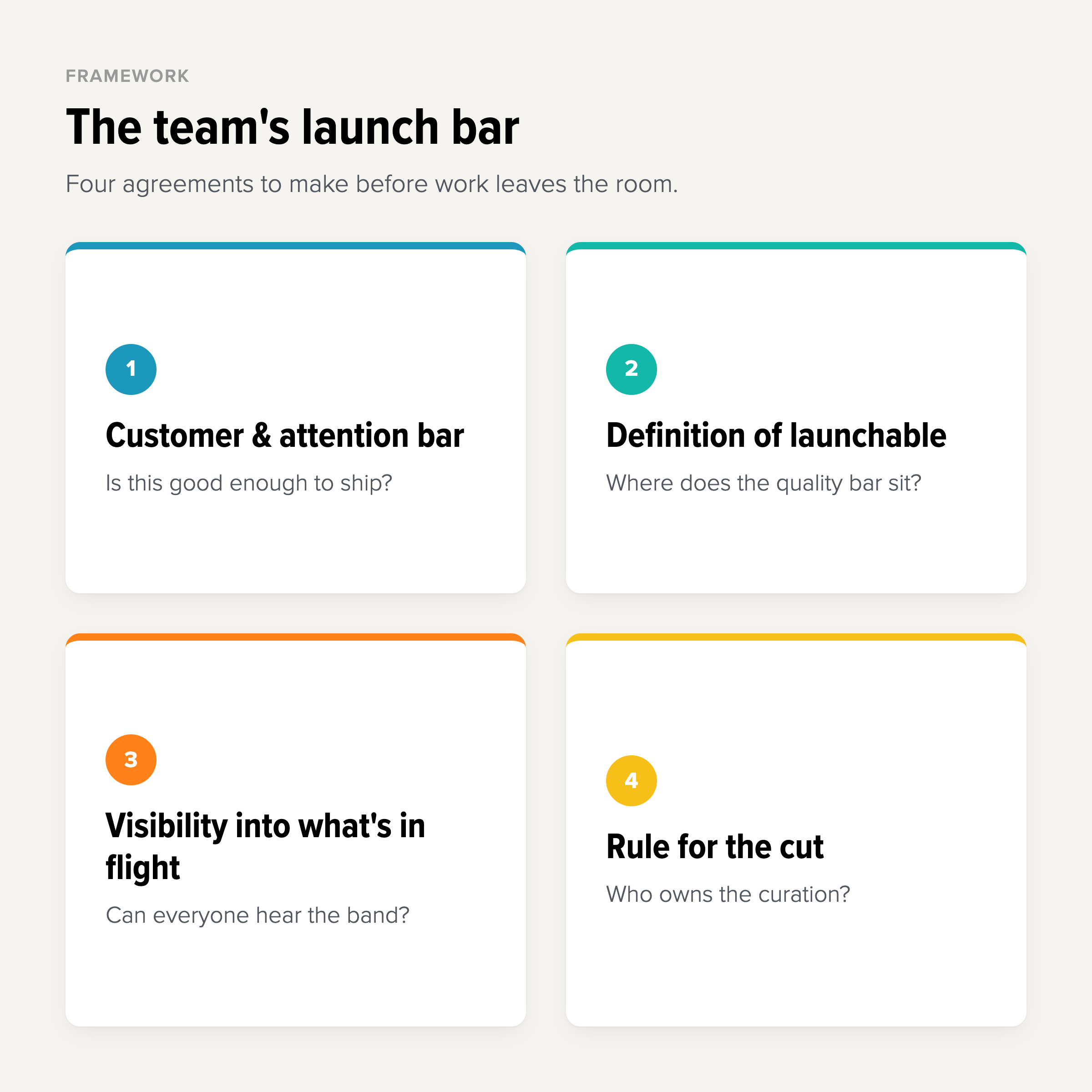
Ravi Mehta and Matthew Mamet point to a hidden cost of AI: collaboration used to happen because we needed each other to produce the work. Now, we need to make that collaboration a deliberate choice.
Use AI to explore beyond your usual responsibilities, but map honestly your range.
Bring in colleagues who can see the weaknesses you cannot.
Make the criteria for release clear enough that anyone can apply them.
#3
One Developer, Two Dozen Agents, Zero Alignment • 10 min read • #UX #AI
In early 2026, Maggie Appleton described a problem mainly affecting developers at that time, but which may feel familiar by now: working with agents can be isolating. We each direct our agents while knowing little about what our colleagues are building.
In this talk, she demonstrates Ace, a research prototype from GitHub Next which gives people and agents a shared workspace where colleagues can follow the plan and join the discussion as the work takes shape. Basically an attempt at reducing the amount of “slop grenades”, by turning Claude in “slack-ish” interface.
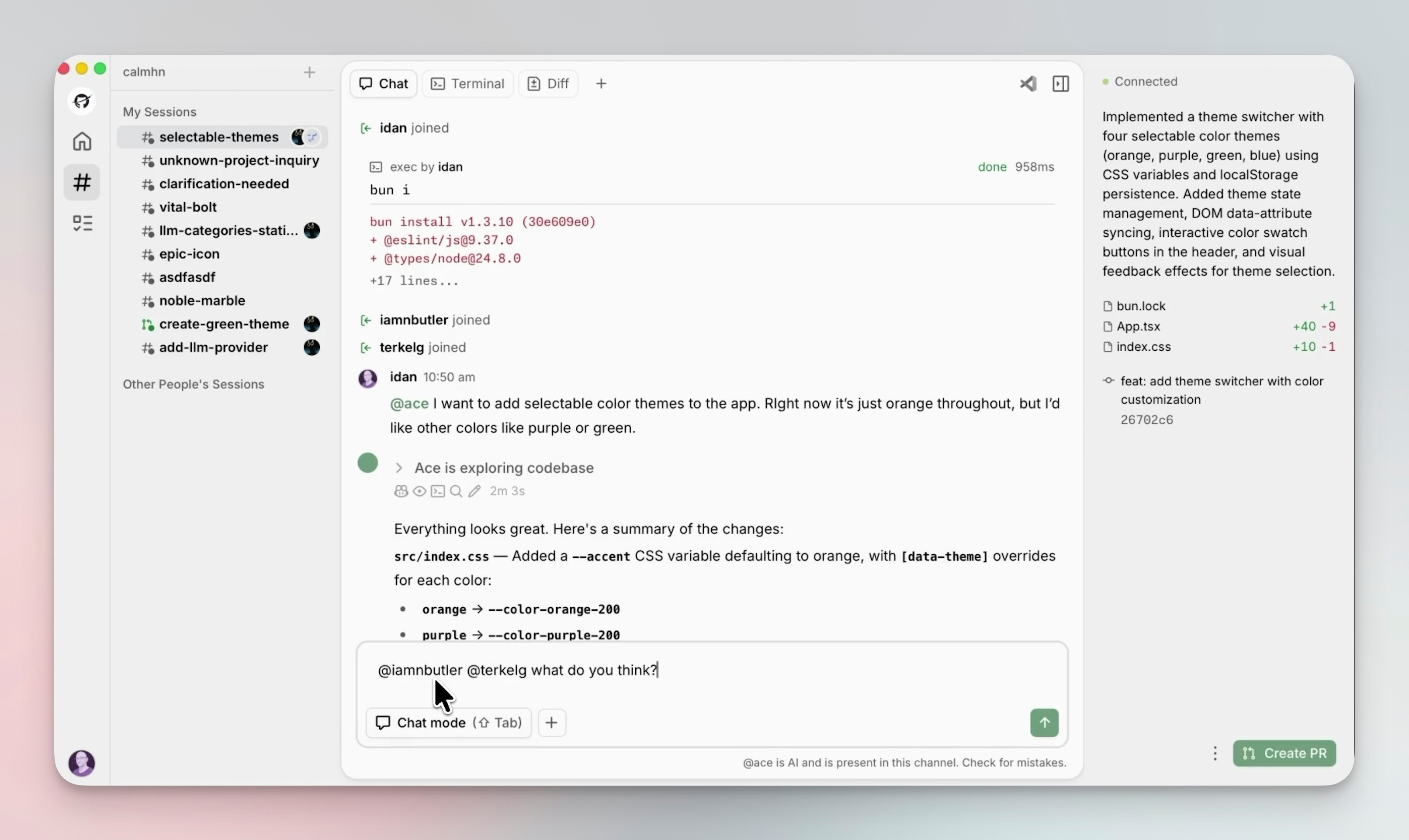
Even though it has not been released, I believe it explores very interesting concepts to make the work with AI visible to the team. I chose to share her process hoping more tools will adopt this approach.
To experience it yourself, try inviting an agent inside Slack / Teams, to work in public.
#4
AI is making us work more • 7 min read • #self-care
He pointed out how paradoxical it is that AI was supposed to free us and allow us to work less yet, somehow, we find ourselves working more than ever before
Indeed, there is one more thing to reconsider in this new age: when do we stop?
Always-available AI can create pressure to keep working. Being able to do more starts to feel like an obligation to do more…
I’m still struggling with this myself. I regularly leave my agents working while I eat or sleep. Otherwise, I feel like I’m wasting their time and tokens. What about you? How do you decide when you’ve done enough for the day?
#5
Most clicked link 1y ago.
The Management Skill Nobody Talks About • Aug 2025 • 5 min read • #AI #design
Screwing up as a manager is inevitable. The only question is whether you know how to repair the damage. Read more to discover this core management skill nobody teaches!
- Acknowledge specifics, take real responsibility, and don’t hide behind "context" or justifications.
- Don’t turn it into a therapy session. Make it about the team, focus on the impact and next steps.
- Consistency is everything. One apology means nothing if you keep repeating the same screwups. We need to change for real!
🗄️ Recently saved
Links worth reading that I saved, but did not highlight:
- You should ask your model to create UI that allows you to tweak your designs. There is even tools dedicated to it like DialKit.
- AI & creativity leads to incredible “learning experience” like Any Human Ever (must try)
- Another Meat Proxy definition
- Still on this topic: Use AI, but you own the output. At lempire, they have a rule, every document has to be manually prefaced by the author, where they share “their take”, and why this doc is important.
—
Thank you for reading this far.
Until next time!
Olivier
Share → Please help me promote this newsletter by sharing it with colleagues (tap the refer button) or consider liking it (tap on the 💙, it helps me a lot)!
About → Productverse is written by Olivier Courtois (15y+ in product, Fractional CPO, coach & advisor). Each “PM Snacks” features handpicked links to help you become a better product maker, and each “AI Bites” is a deep dive in AI-enabled workflows.